

Bismarck Fence Pros
701-394-5624
Fencing Contractor in Bismarck ND
A fence can change the way you use your property, whether you're creating a private backyard, establishing a safer outdoor area for pets, or protecting a commercial site from unwanted access. Our fencing services help property owners choose practical boundaries that fit their space, appearance preferences, and everyday needs. From traditional wood privacy fences to low-maintenance vinyl and functional chain link systems, the right installation begins with understanding what the fence needs to accomplish.
Who this is for: Homeowners planning backyard enclosures, families needing pet-friendly boundaries, landlords replacing deteriorated fencing, and business owners considering security or property screening. This guide covers materials, construction methods, prices, and contractor selection.
Not for: Property owners needing engineered retaining walls, specialized high-security barriers, or resolution of disputed property boundaries. These situations may require separate professional services before fence installation begins.

Contact Us
What We Offer
We provide installation and repair solutions for residential and commercial properties. Our services include wood, vinyl, and chain link options. We help you consider privacy, maintenance, property layout, and appearance when choosing a suitable boundary for your space.
Wood Fencing
Bring natural warmth and character to your yard with a wooden enclosure. We offer designs that complement traditional and modern homes, including privacy panels and decorative styles. Our approach considers post placement, material selection, and exposure to seasonal weather conditions.
Vinyl Fencing
Enjoy a clean, attractive boundary without the routine painting or staining associated with wood. We offer vinyl options in various styles and heights. Our team considers ground conditions, installation requirements, and your preferred appearance when planning your new enclosure.
Chain Link Fencing
Secure open spaces while maintaining visibility with a practical chain link enclosure. This option works well for backyards, pet areas, and commercial properties. We discuss suitable heights, gate access, and material finishes to match your property's intended daily use.
Fence Repair
Damaged posts, loose panels, and misaligned gates can compromise your property's security and appearance. We assess visible problems and discuss appropriate repairs. Whether winter conditions or everyday wear caused the damage, we help identify practical ways to restore your enclosure.
Fence Contractors Near Me
A well-planned boundary can make your outdoor space feel more comfortable, organized, and secure. Whether you're interested in a classic wooden design, a low-maintenance vinyl option, or a practical chain link installation, we're ready to discuss your goals. We also help address damaged sections that need attention. Contact our team today to explore your options and request an estimate for your upcoming project.
Several environmental factors deserve consideration:
- Wind pressure: Solid privacy panels create a broad surface that catches wind. Posts, fasteners, rails, and footings must be selected to withstand the expected loading.
- Frost movement: Moisture in freezing soil can contribute to frost heave. Post foundations must be designed with appropriate depth and support for local conditions.
- Snow accumulation: Drifting snow may collect against fence panels, especially in exposed yards. Layout and openness can influence where snow gathers.
- Seasonal material movement: Wood expands and contracts as moisture changes. Vinyl and metal components also respond to temperature differences.
- Ground conditions: Loose fill, compacted soil, and sloping lots may require different post installation approaches.
- Gate alignment: Gates experience repeated movement and concentrated loading. Weak hinges or poorly supported gateposts can lead to sagging.
How Bismarck's Weather Influences Fence Installation
North Dakota's open landscape exposes outdoor structures to conditions that can gradually affect their stability. A fence must handle more than ordinary sunshine and rainfall. Winter frost, strong winds, drifting snow, and significant temperature changes all influence its performance.
Unlike a building supported by a continuous foundation, most residential fences rely on individual posts. If those posts move, weaken, or become poorly aligned, the entire fence can develop problems.
Consider two properties with similar fence lengths.
A sheltered backyard in Highland Acres may have mature landscaping and structures that reduce direct wind exposure. An open residential lot in a newer development may experience stronger unobstructed winds. Both properties could use wood privacy fencing, but post spacing, foundation design, and material specifications deserve individual evaluation.
Another concern is snow removal. Gates near driveways, sidewalks, and storage areas should open without interfering with common winter maintenance activities. We believe
a fence should be designed for the actual property rather than installed using the same specifications on every lot. Evaluating wind exposure, ground conditions, and winter access helps property owners make better decisions before construction starts.
Comparing Fencing Materials for Properties
Fence materials differ in maintenance requirements, visibility, strength, appearance, and initial cost. A system that works well for one homeowner may be unsuitable for another.
For example, someone who wants complete backyard privacy may prioritize solid panels. A business owner who needs visibility around a storage yard may prefer chain link fencing.
| Fencing Material | Common Applications | Main Advantages | Important Considerations |
|---|---|---|---|
| Wood Privacy Fence | Backyards, residential boundaries | Natural appearance, customizable height and design | Requires periodic maintenance and protection from moisture |
| Vinyl Fencing | Residential privacy, decorative boundaries | Consistent appearance, minimal painting requirements | Quality and impact resistance vary by product |
| Chain Link Fencing | Pet enclosures, commercial yards, utility spaces | Visibility, practical security, generally lower installation cost | Provides limited privacy without screening |
| Aluminum Ornamental Fence | Front yards, gardens, decorative enclosures | Attractive appearance, corrosion-resistant finishes | Usually provides less visual privacy |
| Steel Security Fence | Commercial and selected residential applications | Strong construction, defined access control | Higher cost and protective finish maintenance |
Wood Fencing
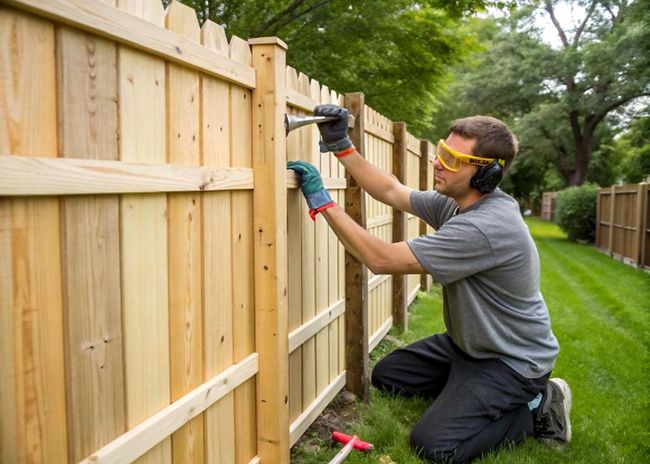
Our wood fencing services help homeowners create attractive, functional boundaries that complement their outdoor spaces. Whether you want more backyard privacy, a defined property line, or a welcoming enclosure for your garden, we offer wooden fence options suited to your preferences. We consider yard dimensions, post placement, gate locations, and North Dakota's changing weather when discussing installation plans. From traditional picket designs to taller privacy panels, we help you explore styles that balance appearance and everyday practicality. Contact us to discuss your project, review suitable materials, and request an estimate for your new wooden fence installation.
Vinyl Fencing
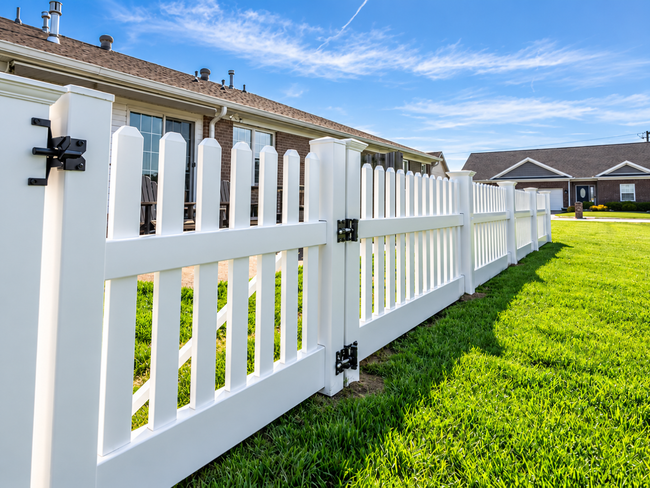
Our
vinyl fencing services offer homeowners an attractive way to define their properties while reducing routine maintenance. We provide vinyl fence options for backyard privacy, decorative boundaries, and enclosed outdoor areas. Unlike traditional wood, vinyl does not require regular painting or staining, making it a practical choice for busy households. We help you explore suitable heights, panel styles, colors, and gate configurations while considering your property's layout and North Dakota's seasonal temperature changes. Whether you're replacing an outdated enclosure or planning a new installation, contact us to discuss your preferences and request a personalized estimate today.
Chain Link Fencing
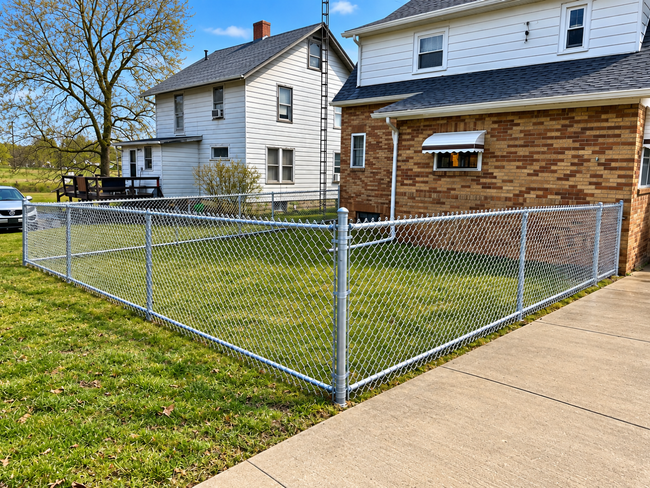
Our chain link fencing services provide practical solutions for securing residential yards, commercial properties, and outdoor activity areas. We help customers choose durable enclosures that maintain visibility while establishing clear property boundaries. Whether you need a secure space for pets, protection around business facilities, or a reliable perimeter for your backyard, we offer options suited to your needs. We consider fence height, gate placement, post stability, and North Dakota's changing weather conditions when planning installations. Our goal is to provide functional, affordable solutions that support everyday convenience. Contact us today to request a personalized estimate.
Fence Repair
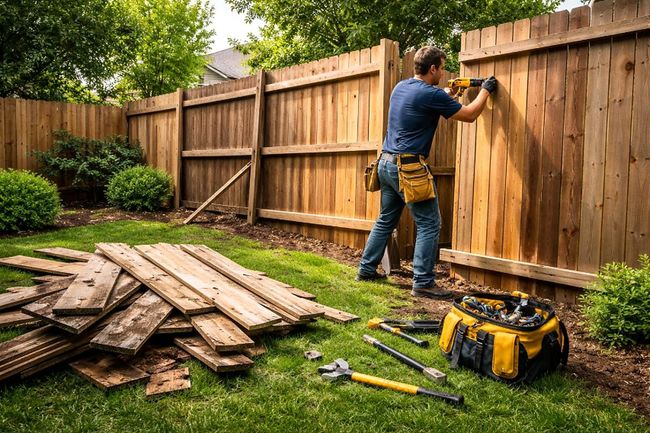
Our fence repair services help homeowners and businesses restore damaged boundaries and improve property security. Strong winds, shifting soil, winter weather, and everyday wear can leave posts leaning, panels broken, or gates difficult to operate. We assess these problems and recommend practical solutions based on the condition of your existing fence. Whether you have wood, vinyl, or chain link materials, we help address damaged sections, loose connections, and other concerns. Our goal is to extend your fence's useful life whenever repairs are appropriate. Contact us today to discuss the damage and request a personalized repair estimate.
Fence Installation Pricing in Bismarck, ND for 2026
Fence installation prices are commonly calculated by linear foot, but material and height are only part of the cost. The number of posts, corner changes, gates, site access, and difficulty of excavation can significantly affect a contractor's estimate. The following ranges provide illustrative 2026 budgeting allowances based on North Dakota pricing guides.
| Fence Type | Estimated Installed Cost Per Linear Ft. | Example 150-Ft. Fence | Typical Application |
|---|---|---|---|
| Chain Link, 4-Ft. Height | 18–27 | 2,700–4,050 | Pet areas, functional boundaries |
| Wood Privacy, 6-Ft. Height | 28–45 | 4,200–6,750 | Residential backyard privacy |
| Vinyl Privacy, 6-Ft. Height | 48–69 | 7,200–10,350 | Low-maintenance residential enclosures |
| Ornamental Aluminum, 4-Ft. Height | 28–39 | 4,200–5,850 | Decorative residential boundaries |
These are planning estimates, not confirmed contractor bids. Example totals assume approximately 150 linear feet of straightforward installation and exclude gates, demolition, unusual soil conditions, permits, and other project-specific expenses.
Several factors can change the final cost:
- Removing and disposing of an existing fence.
- Installing additional corners or custom gate openings.
- Excavating difficult or obstructed ground.
- Working around established landscaping.
- Selecting premium materials or decorative finishes.
- Adding commercial access-control hardware.
- Meeting unusual structural or site requirements.
For example, a straight fence behind a typical residential lot may require fewer posts and connections than an enclosure with multiple changes in direction. Similarly, a double driveway gate generally requires more structural support and specialized hardware than an ordinary pedestrian gate. When comparing prices, request a breakdown that identifies material specifications, fence height, total length, post installation, gate allowances, and cleanup. This makes it easier to understand what is included and where additional expenses may arise.
What to Verify Before Hiring a Fence Contractor
Choosing a fencing contractor means trusting someone to install a permanent improvement near property boundaries and underground infrastructure. Clear documentation and an understanding of local requirements are important before work begins. North Dakota requires contractor licensing for construction jobs exceeding $4,000. The state's Secretary of State provides a public contractor verification service.
Here are several items worth reviewing:
- State contractor license: Verify licensing through the North Dakota Secretary of State when required for the project.
- Insurance coverage: Request evidence of liability insurance and applicable Workforce Safety & Insurance coverage.
- Written installation details: Confirm materials, post specifications, gate hardware, dimensions, and site preparation responsibilities.
- Boundary verification: Establish how property lines will be identified and whether a survey is necessary.
- Utility locating: Confirm who will submit the required North Dakota One Call excavation notification.
- Warranty information: Ask what installation workmanship and manufacturer warranties cover.
- Comparable projects: Review examples of fences installed in similar locations and exposure conditions.
Bismarck's Updated Fence Regulations
Bismarck adopted a new Land Development Code effective October 1, 2026. Under Section 14-15-13, most zoning districts have a general maximum fence height of six feet, while industrial districts generally allow eight feet. Certain taller installations may qualify for specific exceptions or approvals. In RS, RU, and RX residential zoning districts, front-yard fences are generally limited to three feet, or four and one-half feet when the fence is at least 50% open. A front-yard fence next to a public right-of-way must also meet an 18-inch setback requirement.
The code also restricts fencing within drainage, access, and slope-protection easements, and protects clear sight areas at certain intersections and driveways. Although Building regulations exempt many fences not exceeding 8.5 feet from a building permit, that exemption does not override zoning restrictions. Property owners should confirm requirements for their specific parcel with the city's Planning Department before installation.
Red Flags in Fence Installation Quotes
A fence may look straight immediately after construction while concealing weak connections or inadequate post foundations. That is why the details in a contractor's proposal deserve attention.
Watch for these warning signs:
- No post foundation specifications: The estimate should describe the support system proposed for the fence and site.
- Unclear material quality: Generic descriptions such as "premium vinyl" or "strong wood" provide little information about the actual products.
- Property lines are treated as guesses: Existing fences and landscaping do not always identify the legal boundary.
- No discussion of wind exposure: Solid panels require suitable structural support, especially on exposed properties.
- Gate hardware is excluded without explanation: Hinges, latches, posts, and gate construction should be clearly described.
- Utility locating is ignored: Excavation should not begin without following North Dakota's notification requirements.
- No written payment or warranty terms: Customers should understand costs, responsibilities, and limitations before agreeing.
One useful question is what happens if excavation reveals difficult ground conditions. The contractor should explain how unexpected conditions will be handled and whether additional work requires your approval. A detailed quote helps establish expectations long before the first post is installed.
Fence Installation Timeline Expectations
The length of a fencing project depends on the selected materials, number of gates, terrain, weather, and preparation requirements. A straightforward residential installation may take a few working days after preliminary planning is complete. Complicated sites or specialty systems can take longer.
A general project sequence looks like this:
- Planning: Measurements, material selection, boundary review, and applicable zoning requirements are addressed.
- Utility coordination: The excavator submits the required 811 notification and waits for the applicable locating process to be completed.
- Site preparation: Existing fencing is removed when necessary, and installation points are established.
- Post construction: Holes are excavated and support posts installed. Foundation materials must reach the required condition before further loading.
- Fence assembly: Rails, panels, fabric, gates, and hardware are installed.
- Final adjustments: Gate operation, alignment, secure connections, and cleanup are completed.
North Dakota's excavation notification process generally requires two full business days after the request before digging can begin, subject to applicable rules and operator responses. Weather can also influence scheduling. Frozen ground may make excavation more difficult, while wet or unstable soil can complicate post installation. The most dependable schedule accounts for these conditions rather than promising that every fencing project will be finished within an identical timeframe.
Fencing Services FAQs
Q: How tall can I build a privacy fence in Bismarck, ND?
Bismarck's Land Development Code, effective October 1, 2026, generally limits fences to six feet in most zoning districts. Industrial districts typically have an eight-foot maximum, and certain circumstances may qualify for taller-fence exceptions. Front-yard requirements are different. In RS, RU, and RX residential districts, the city generally permits fences up to three feet tall, or four and one-half feet when the design is at least 50% open.
Fence height is measured according to the city's established method, and restrictions also apply near intersections and certain easements. Before selecting a height, confirm the property's zoning classification and applicable requirements with the Bismarck Planning Department. A fence that does not require a building permit must still comply with zoning regulations.
Q: Which fencing material is best for North Dakota winters?
There is no single material that performs best on every Bismarck property. Wood, vinyl, chain link, and ornamental metal can all be appropriate when the products and installation methods are suited to the expected conditions. Wood offers design flexibility but requires maintenance. Vinyl eliminates routine staining, although its impact performance and cold-weather characteristics vary by product. Chain link allows airflow and visibility, while properly finished metal fencing can offer an attractive, durable boundary.
For exposed properties, wind loading and post support may matter as much as the fence material itself. Homeowners should compare manufacturer specifications, maintenance expectations, and the way each design handles snow accumulation before deciding.
Q: Do I need a property survey before installing a fence?
A survey may be advisable when boundary locations are uncertain, especially if the fence will run close to a neighboring property. Although existing landscaping, utility boxes, and old fence posts may suggest where a property line is located, they do not necessarily establish the legal boundary.
A licensed surveyor can help identify the boundary using appropriate property records and field measurements. It is also important to review easements. Bismarck restricts fence placement within certain drainage and slope-protection easements, while other easement locations may require maintenance access. Confirming these details before installation can help avoid disputes and expensive relocation work.
Q: Can a damaged fence be repaired instead of completely replaced?
Many fence problems can be repaired when the surrounding structure remains stable. Examples include individual broken boards, damaged chain link fabric, loose hardware, or a gate that no longer closes properly.
However, widespread post movement, deteriorated support members, or repeated structural failures may make replacement more practical. The cause of the damage is important. A gate that sags because of loose hinges requires different work from one attached to a post that has shifted underground. We recommend assessing the condition of the entire affected section before deciding whether targeted repairs or a larger replacement will provide better long-term value.
Q: How should I maintain my fence during winter in Bismarck?
Winter maintenance depends on the material and the fence's location. For wood fences, inspect loose boards, exposed fasteners, and damaged finishes when conditions permit. Vinyl fences should be checked for cracked components or displaced panels, while metal systems benefit from inspections for corrosion and loose connections.
Avoid forcing frozen gates open or striking fence panels with snow removal equipment. Snowdrifts can place pressure on certain fence sections, so monitor areas where substantial accumulation occurs. During spring, inspect post alignment and gate operation after the ground begins thawing. Identifying movement or damage early can make repairs easier and help preserve the surrounding structure.